
Popular Picks Price History

Price Dropped Popular Picks





FILTERS
Clear All
Price Dropped
Price

Availability
- BRAND:
-
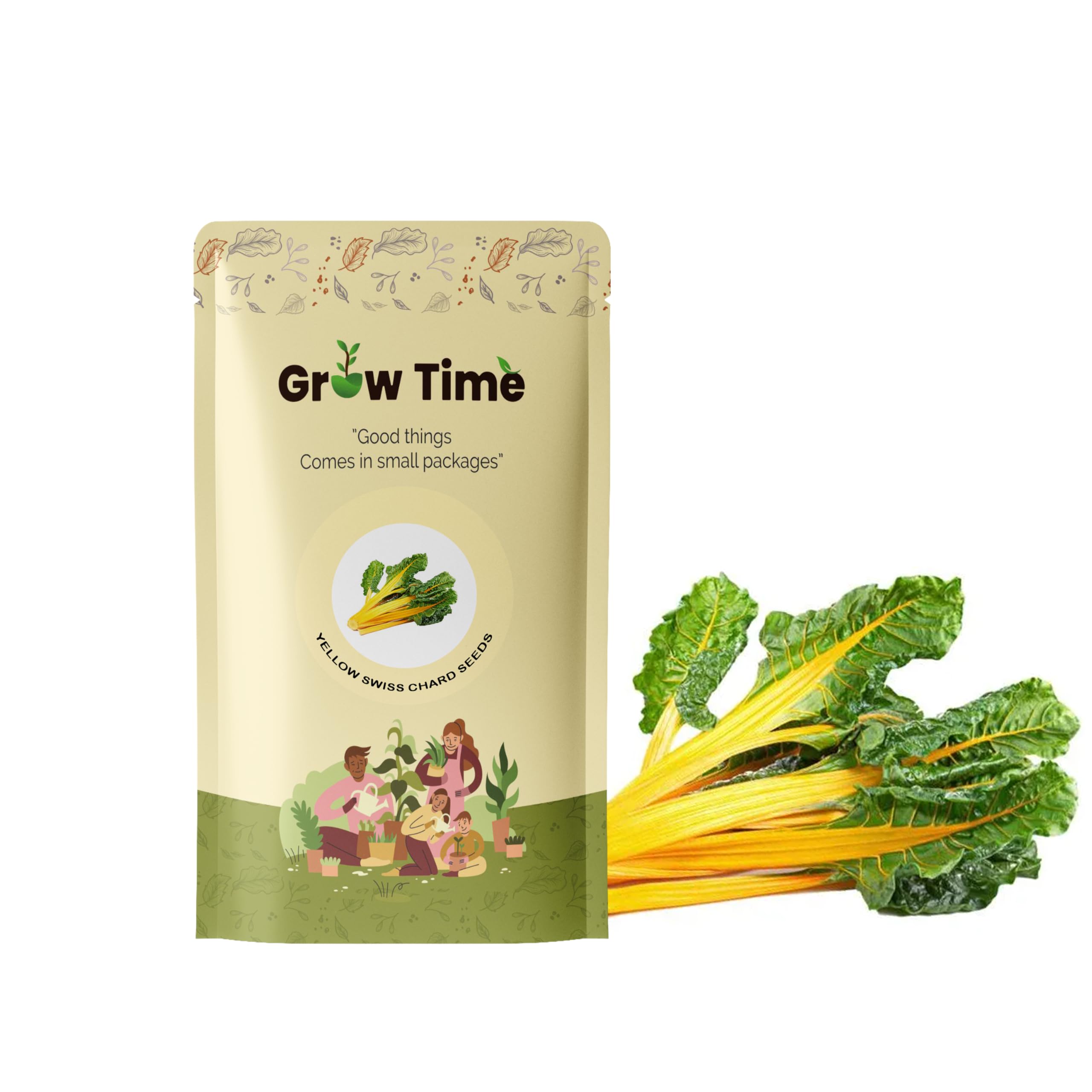 ₹139 * ₹17521% OffLowest Price₹139Highest Price₹139
- Swiss chard is a popular leafy vegetable that is actually a beet but is grown specifically for its edible stems and leaves. Swiss chard is full of nutrients like vitamins A, and K and is high in fiber and antioxidants. Chard leaves can be eaten raw and cooked, and raw Swiss chard leaves are less bitter than cooked.
- Sowing method: Direct Seeds sowing depth: 1.25-1.5 cm Sowing season: Early spring to mid-summer Germination Time: 7-10 days Seeds germination temperature: 12-23°C Harvesting time: 50-60 days after planting Germination percentage: 70%
- Water – Swiss chard water requirements are normal; water regularly at the base of the plant during dry climates and avoid wetting the leaves.
- Soil – To plant Swiss chard, use well-draining, loamy, and good-quality soil that contains organic matter.
- Sunlight – Swiss chard needs full direct sunlight but it also grows in partial shade.
- Temperature – The minimum temperature for growing Swiss chard is 10 °C and the maximum is 30 °C.
- Common pests - Certain pests such as leaf miners, slugs, aphids, cutworms, and caterpillars attack Swiss chard plants, and mildew and leaf spot disease infect plants. To avoid these insects and diseases, use neem oil or put a net over your container or you can also keep the pot indoors.
-
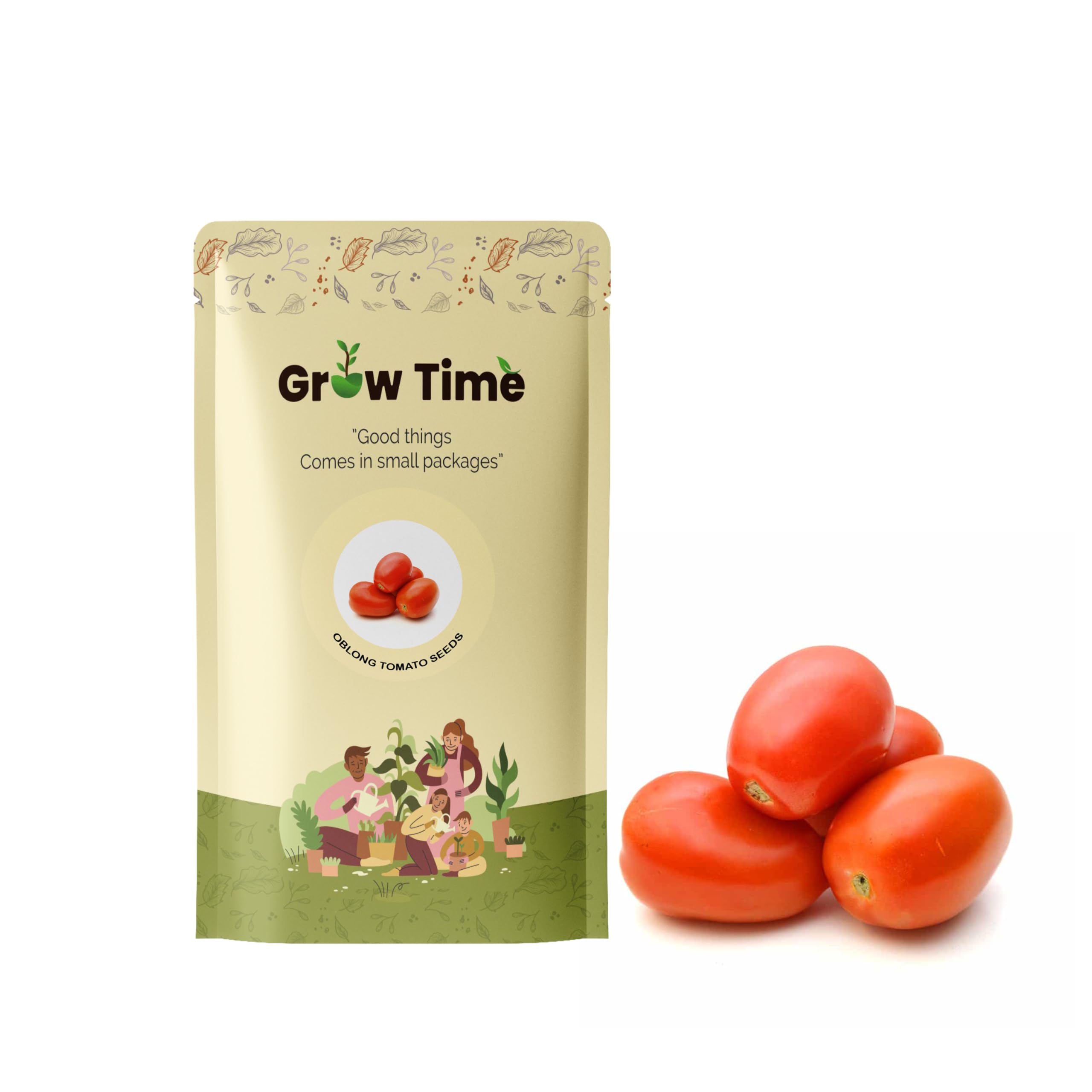 ₹99 * ₹17543% OffLowest Price₹99Highest Price₹99
- Tomato is the most popular vegetable in our kitchen, Make soups, and sauces or eat them raw in a salad; it’s tasty in all forms. Grow your own tomato in your home garden and Add fresh flavor and a lot of nutrition to your food with a few tomatoes. T
- Where to grow: Balcony or terrace garden Sowing season: Throughout the year Sowing method: Seedling transplant Germination Time: 6 to 14 days Germination temperature: 18-27°C Fruit Color : Red Fruit Shape: Oval Harvesting: 60 to 80 days from transplanting Plant vigor: Strong plant with short internodes
- Water – Tomato plant needs regular water or deep watering on summer days for better or fast growth of plants and give water once in 3 days during winter.
- Soil – Use well-drained, fertile, and high organic matter soil.
- Sunlight – Tomato needs at least 6 to 8 hours of direct sunlight for high-yield or fast-growth plants.
- Temperature – Optimum temperature for tomatoes is 15-30 degree Celsius and should not be less than 10 degree Celsius.
- Common pests – Some pests like Aphids, cutworms, caterpillars, and root-knot nematodes can attack tomato plants. Powdery mildew and bacterial milt is the main disease that infected tomato plants. To get rid of this problem, it would be right to spray neem oil on the tomato plant from time to time.
-
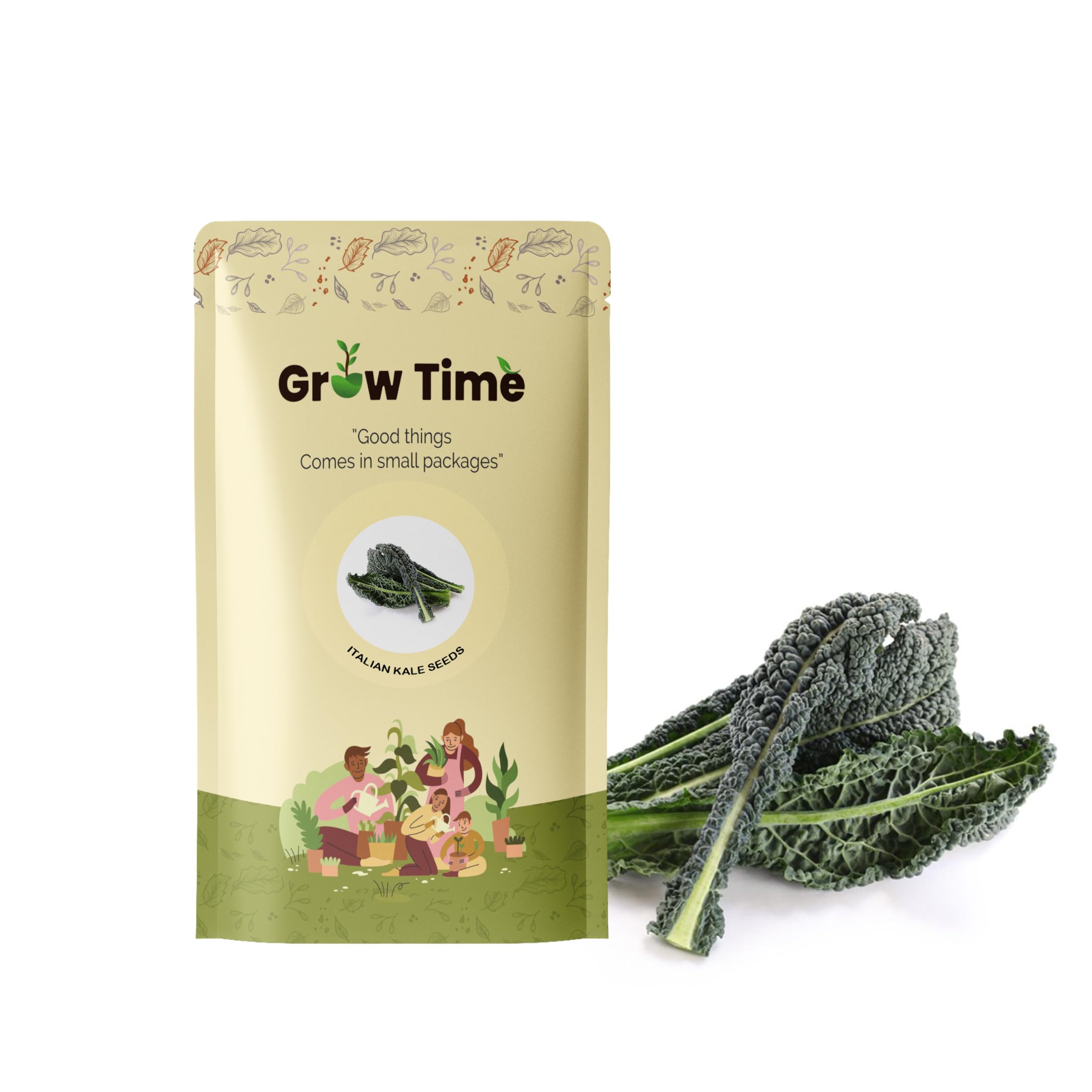
 ₹141 * ₹17519% OffLowest Price₹141Highest Price₹141
- Curly kale is one of the popular varieties of kale that is most commonly used. It has bright green leaves and curved edges that form a frilled border. The taste of curly kale is peppery, slightly tangy, and bitter, which is very crispy and delicious; It is mostly used to make chips and design food but is also enjoyed boiled, steamed, or roasted, or can be eaten raw as a salad and added to sandwiches.
- Where to grow: Balcony or terrace garden Mode of sowing: Sow the seeds 0.5 cm deep in a Container, or Pots. Sowing season: Winter season (The best month is September to December) Germination Time: 7-24 days from sowing Germination Temperature: 18 to 24°C Harvesting Time: 60 to 90 days after sowing the seeds.
- Soil – Kale does best in loam, well-drained soil with high organic matter.
- Water – Give water to the kale plant daily and maintain moisture on summer days. Give water 2-3 days per week to the soil of the plant during winters.
- Sunlight – Kale plant needs 6 hours of direct sunlight but also grows well in partial shade.
- Temperature – Ideal kale plant growing temperature is between 12-25°C.
- Common pests – Caterpillars, aphids, cabbage worms, and cutworms are some pests that attack kale plants and diseases such as clubroot infect the plants. The main reason for the infestation of insects is water logging in the soil and wetting of the leaves. To protect the kale plant from insects, spray neem oil on your plants.
- Mulching – If your kale leaves start rotting, add a thin layer of mulch to the plant when it is about 6 inches tall.
- SHARE



Please send us your feedback or suggestions
* Product prices and availability are accurate as of the date/time indicated on the product page and are subject to change. Any price and availability information displayed on the store (Amazon, Flipkart, etc) at the time of purchase will apply to the purchase of displayed products.
* As an Affiliate, we earn from qualifying purchases at no extra cost to you. More info.